Why Your GovCon Event Strategy Needs Room to Listen
6 minutes

Why Your GovCon Event Strategy Needs Room to Listen

Nov. 16, 2026

Government agencies often operate on familiar frequencies. Priorities focus on efficiency, modernization, readiness, resilience, and better service to the public. Tune in at any given time, and you’ll hear these over and over again.

What changes are the unique signals riding on that frequency.

A civilian agency might spend the fall comparing technology platforms, but by spring, it’s pivoting to integration with decades-old systems. A defense program that went through two years of approvals for a new capability could spend the next eighteen months fighting to keep it funded, staffed, and sustained. A city partway through a digital overhaul could learn that the software works fine, but residents still struggle to use it.

All of these ride on the same priorities across varying sectors, but present a different problem or question.

Government contractors can prepare for the right priority, yet still be addressing pain points their customers have moved on from.

Knowing what frequency to tune into is only half the battle. The other half is being where your buyers are and hearing the signals of their individual needs.

Government events tap directly into those signals and should be a central tactic to your GovCon strategy.

Do government buyers still attend events?

Short answer: yes.

In GovExec Intelligence research, 65% of federal survey respondents expected to attend between one and three events in the next three months.

Long answer: it has to be worth their time.

Of the same survey respondents, 50% said they turn to industry events for information.

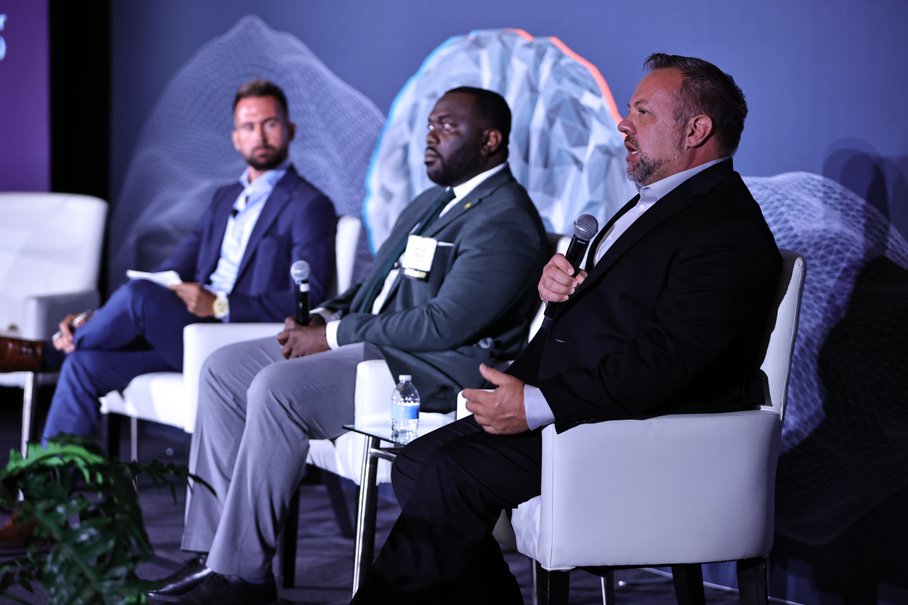
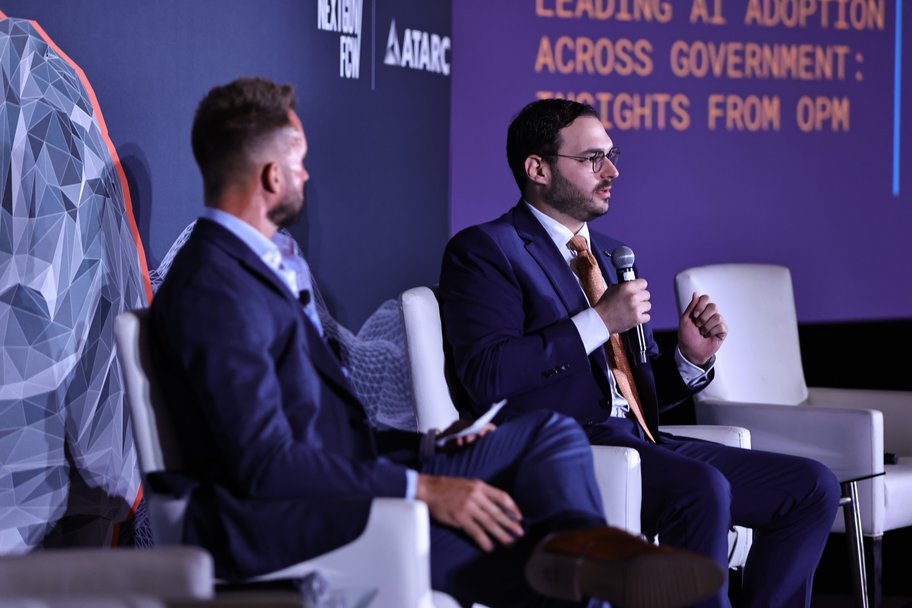
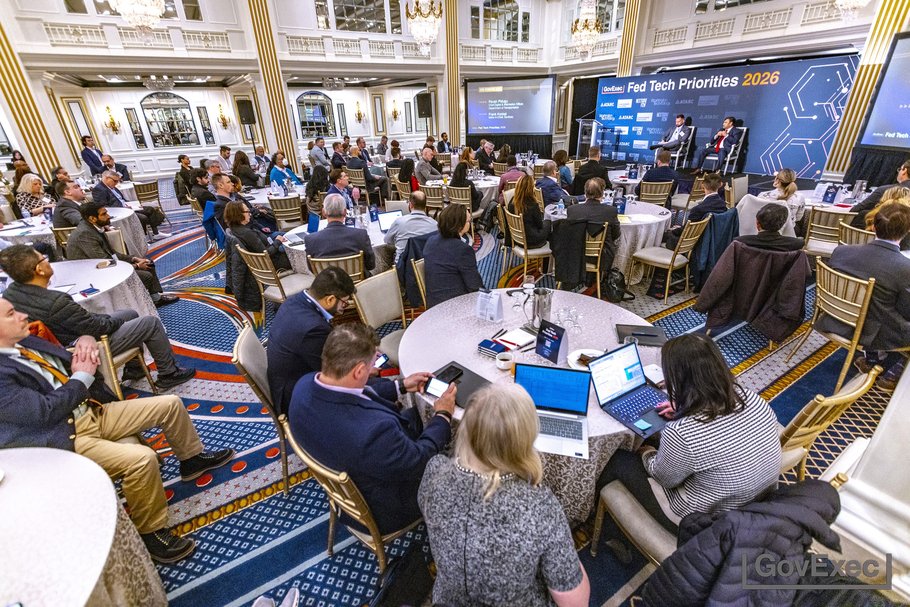
They’re not just there for the swag. They’re there to connect with peers and partners, hear how others are solving problems like theirs, and highlight the work being done at their own agencies. The room is where they tap into the frequency, delving into the signals to move missions forward. Conversations and connections are built or nurtured.

But a true partnership should outgrow the room.

Simply showing up isn’t an event strategy. The moves you make before and after help determine what comes out of it.

How can GovCon build an impactful pre-event strategy?

Before the event, align your internal teams. Marketing, business development (BD), sales, and subject matter experts (SMEs) should all provide input based on their specialty. Conversations should cover:

Current accounts

What do you know about your customers right now? Look at what helped them move past hesitancy and choose you. Beyond their stated priorities, identify the specific problems they are trying to solve and what they have already learned.

Prospect accounts

What do you know about your prospects and their perception of you? Consider what you’ve learned from current customers that could help build a case for future buyers. Separate what may apply across agencies from what needs more investigation. Discuss agency needs now, six months from now, and a year from now.

Conversation format

Once you’ve aligned on details about your buyers, match the event to the discussions and connections you want to make. A roundtable provides time to work through a shared problem. A summit brings a broader range of perspectives and potential teaming partners together. Cocktails & Conversations offers a more informal setting to make introductions or reconnect. Breakfast briefings focus attention on a timely issue in a compact part of the day.

Pre-event tactics

Where are your buyers turning for information, and who do they trust? Choose content that fits their stage in the buying process. An expert article can introduce an approach; a case study can give someone evidence to examine. Use responses and engagement to refine your preparation, and review who will be in the room as attendee information becomes available.

How can GovCon make the most of their event day?

Your day-of plan should be based on your pre-event internal conversations, tactics, and buyer intel.

Plan your meeting schedule.

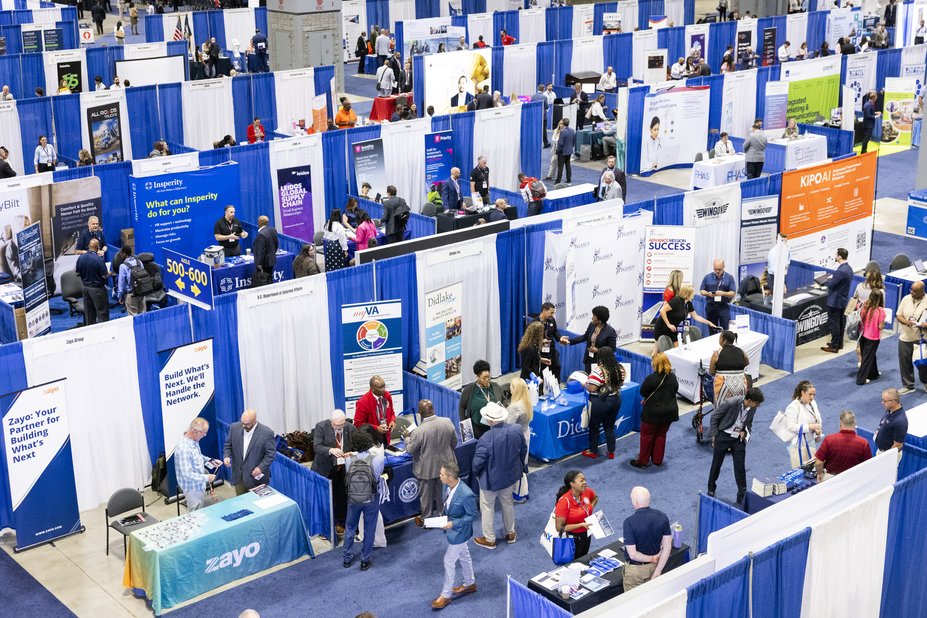
Don’t leave your interactions up to chance. Arrange time with key customers, prospects, or partners where possible. Executive breakfasts, when offered, can create space for focused discussion with participating senior government leaders before the main program. Be clear about what you hope to work through together. For introductions on the floor, have a brief elevator pitch ready, along with a question informed by your preparation.

Prepare your partner-facing teams.

If your team is exhibiting, make sure they can speak the language of your buyers. Leave unnecessary jargon at the door. Have case study data ready for agencies facing similar challenges, and explain the circumstances behind the results. If your SME is speaking, ditch the pitch. Talk about the work you and your customers have done together, including the difficult decisions and what you learned along the way.

Listen for what you don’t know.

Give buyers time to explain what they’re working through. Ask follow-up questions. An unexpected question or discussion on stage may reveal a concern your campaign has not addressed. Make a note of it and address it with the buyer as soon as possible.

How can GovCon build an impactful post-event strategy?

Effective event strategies should not be a flash in the pan. The signals you picked up before and during the event should carry your strategy on a targeted wavelength long after.

Follow up on the conversations you had.

Combine post-event registration data with your team’s notes to decide where personal touches are necessary. Send any promised follow-ups promptly and refer specifically to the discussion. For other registrants, share a hyper-relevant takeaway and invite a response. Let their interest guide the next step.

Have next steps ready.

Enact a custom post-event email series to help qualify leads. Build each message around a pertinent piece of information, such as a case study that addresses a question raised at the event. Align teams on response tactics.

Create something buyers can pass along.

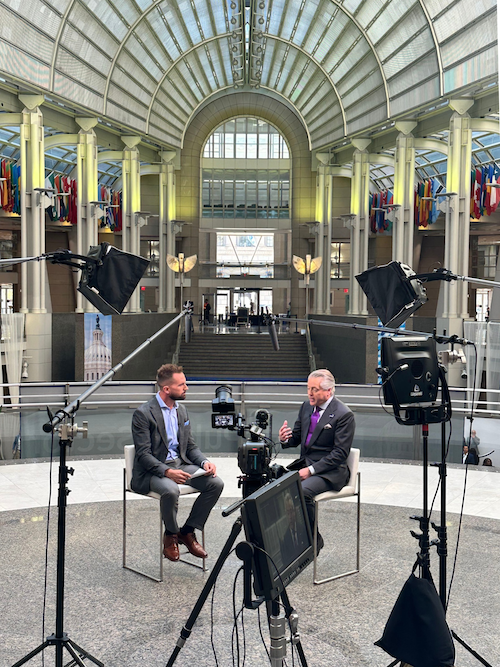
A top takeaway or video can extend your presence to buyers who weren’t in the room. Provide enough context for them to understand the problem and judge how the experience applies. Plan what you’ll share before the event, so you make the most of the moment on-site and are ready to turn it around quickly afterward.

Reach the buyers you missed.

Deploy topic-targeted advertising and newsletter placements. Use those channels to share an asset that came out of the event. Ensure the resource is still useful to someone entering the discussion for the first time. Your next conversation may begin with a buyer who never set foot in the room.

Use your learnings to improve your strategy.

Reconnect marketing and BD with the team that attended. Review what buyers asked and how they responded afterward. Update account plans where the conversation challenged an assumption. Track follow-up meetings and qualified opportunities alongside content engagement, and note when a contact brings a colleague into the exchange. Those developments indicate whether the event is moving a relationship forward.

How can GovCon choose the right event partner?

Partners should be tapped into the signals you need at any given moment. Look for agendas that align with your buyer’s concerns, plus established and credible speakers. Ask how the partnership can help you beyond the event day.

GovExec’s 2027 Editorial Calendar was built for these exact reasons. Every day, our journalists speak with people across federal, defense, and state and local government. Those conversations reveal how familiar priorities are playing out in specific offices and communities. Market intelligence adds a broader view of buyer behavior and the signals behind the decisions.

Together, reporting and intelligence help us determine which topics to gather around and whose experience can move the discussion forward. Among the events planned for 2027 are:

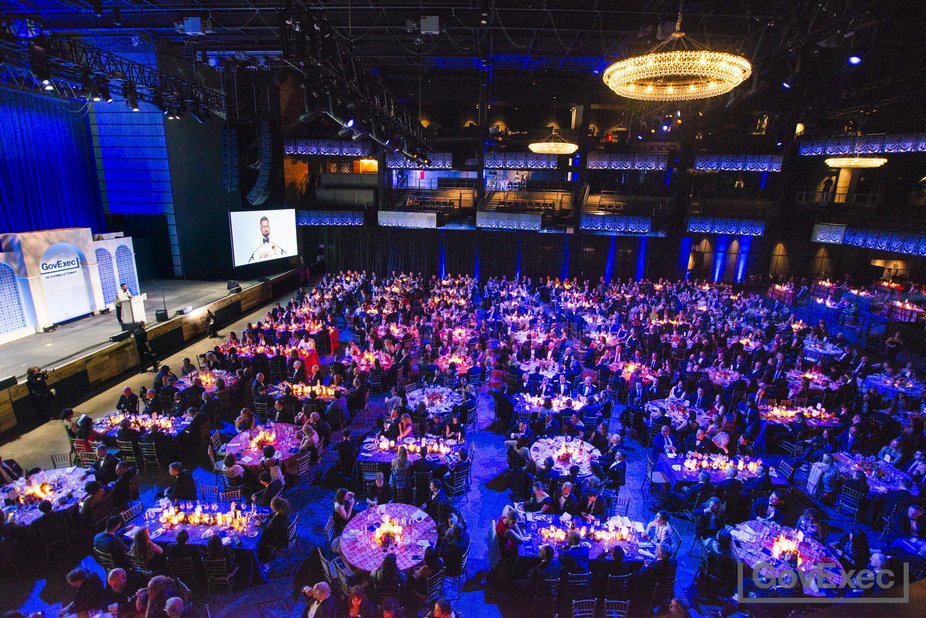
Evening of Honors. Sometimes the best place to start is aligning your brand with outstanding work completed in government. Recognizing public service leaders and teams gives government and industry a chance to learn about the achievements behind a name and inspire forward-thinking conversations.

GITEC. This program is guided by the GITEC Board and informed by ATARC’s government-led working groups. It brings federal technology priorities into discussions with industry and academia, giving contractors a chance to hear how government itself frames the challenges it wants help solving.

National Labs IT Summit (NLIT). National Labs have specialized research environments. NLIT’s focus on computing and cybersecurity lets technical peers compare experiences and gives industry a clearer view of the community it hopes to serve.

Government Procurement Conference. This event focuses on acquisition and small-business engagement, giving growth teams a setting to explore contracting opportunities and potential partnerships.

Defense Summit. Defense innovators across government and industry examine strategic investments influencing modern warfare, from autonomous systems to space capabilities. Supply chains and readiness are part of that picture, giving contractors context for decisions about where to invest and whom to partner with.

Use what you learned at one event to plan for the next. Review which accounts engaged with your follow-up and where questions remain. A buyer who first found you through a summit recap may be ready for direct outreach. An existing customer may have a new priority that calls for a different SME.

This is where your event strategy connects to the rest of your growth plan. Marketing has a better idea of how to tailor content. BD has a better understanding of what the buyer needs before taking another step. Keep those teams talking between events, so the next campaign reflects what you know now.

What signal will you tap into next?

Explore GovExec’s 2027 Editorial Events.

More to Read >